
"produced in South America"
3000 article(s) found

Introduction to Coffee Bean producing areas-- characteristics of Mexican Fine Coffee in South America and Mexico
Well-known representative coffee: Mexico (Mexico) Malaggippe Mexico is close to the United States to the north. Its coffee production ranks fourth in the world, mainly produced in the southeast adjacent to the Vivette Nango highlands of Guatemala. Brother Mo, about 70% of his coffee is exported directly to the United States, which is washed and divided into three grades according to their height. Generally speaking, the evaluation of Mexican coffee is moderate.

Coffee producing areas of South America | how to deal with Brazilian coffee beans to create a balanced nut flavor
Professional coffee knowledge exchange more coffee bean information please follow the coffee workshop (Wechat official account cafe_style) front street-South American coffee producing area introduction Brazilian coffee, generally refers to the coffee produced in Brazil. There are many kinds of coffee in Brazil. Like other Arabica coffee, Brazilian coffee is called Brazils to distinguish it from Milds coffee. Most Brazilian coffee is unwashed and is

Coffee bean producing areas-South America-Brazil (Brazil)
Well-known representative coffee: Santos Brazil is the world's largest coffee producer, with the first total output in the world, accounting for about 1% of the world's total output, mainly in the central and southern provinces. Brazil is suitable for growing coffee, the terrain is relatively flat, most coffee gardens are less than 1200 meters above sea level, and there is no shade from big trees, because the raw and ripe berries are harvested at the same time, so it is not a fine product.
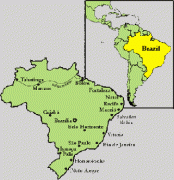
A brief introduction to the main coffee producing areas in South America and their well-known representative coffee flavor characteristics
For the exchange of professional baristas, please follow the coffee workshop (Wechat official account cafe_style) Brazil (Brazil) well-known representative coffee: Santos Brazil is the world's largest coffee producer, with the first total output in the world, accounting for about 1 gambit 3 of the global total output, mainly produced in the central and southern provinces. Brazil is a suitable area for growing coffee, with flat terrain and coffee plantations.

Introduction of Coffee Bean producing areas-- Costa Rican Fine Coffee from South America
Well-known representative coffee: Tarrazu Costa Rica, like other Central American countries, widely grows Arabica coffee. Its coffee is mainly grown in two high areas, one is the high area near the capital San Jose, and the other is the Tarrazu mountains southeast of San Jose. Because coffee is grown in Costa Rica at high altitudes.

The coffee-producing area of El Salvador, northwest of Central America and bordering the Pacific Ocean to the south, introduces the Iza of Sonsonate province.
In El Salvador, the coffee beans rich in the Kuskabapa region are the best, slightly lighter, fragrant, pure and slightly sour. Like Guatemala and Costa Rica, coffee in El Salvador is graded according to altitude, and the higher the altitude, the better the coffee. The best brand is Pip, whose quality has been recognized by the American Organic Certification Society. In addition

Characteristics of Latin American coffee beans manor flavor and taste-an introduction to the characteristics of coffee beans from three producing areas
Characteristics of Latin American coffee beans manor flavor and taste-the characteristics of coffee beans from three producing areas introduce that growing coffee also requires daylight and proper shade, which is most suitable for planting on fertile soil or volcanic ash soil. Therefore, the origin of coffee is widely distributed in South America, Central America, the West Indies, Asia, Africa, Arabia, the South Pacific and Oceania. Such as Ethiopia in Africa,

What are the main coffee producing areas? where is the origin of famous coffee?
Coffee comes from coffee beans, which are harvested and processed from the fruit of trees. Coffee trees grow at the center of the equator, between latitudes of 25 degrees south and north, and are called the homes of tropical or subtropical countries called coffee belts. At present, there are about 60 coffee-producing countries. Coffee is produced in South America, Central America, the West Indies, Asia, Africa, Arabia, the South Pacific and

The three largest coffee producing areas in the world: African coffee, American coffee, Asian coffee, coffee beans
Latin America, Africa, Asia and Latin America are the three major coffee producing regions in the world: Latin America is the full name of Latin America, and Latin America is part of the Americas. In a narrow sense, it includes the American countries and regions with Latin languages as the official languages; in a broad sense, it includes all American countries and regions south of the United States. Latin America has a land area of 19197000 square kilometers, accounting for nearly 13% of the earth's land surface.

Honduras, a coffee producing country in Central and North America
Honduras is a mountainous country in Central and North America with a population of more than 8.3 million and an area of about 112,000 square kilometers. Located in northern Central America. It is bordered by the Caribbean Sea to the north, the Gulf of Fonseca in the Pacific Ocean to the south, Nicaragua and El Salvador to the east and south, and Guatemala to the west. More than three-quarters of the territory is mountainous and plateau. Mountains extend from west to east, inland for lava plateau, mountainous
South America Brazil coffee giant Brazil Santos boutique coffee beans
The Brazilian Santos variety comes from South America and Brazil is the world's number one coffee producer, accounting for about 30% of the world's total production. Almost all Santos coffee is produced in southeastern Brazil and is the best coffee in Brazil. Raw bean granules can be found from medium to large, but without green, they are neutral coffee. Brazil's "Vicky Gotti Manor" comes from Brazil's top boutique coffee estate "Fazenda\ Var".

Introduction to the characteristics of the flavor description of Peruvian coffee organic coffee varieties
In 1542, the Spanish royal family set up the Government House in Lima and established the Governor's District of Peru, which became the center of Spanish colonial rule in South America. At that time, Peruvian commerce was prosperous, merchants controlled most of South America's import and export trade, and the precious metals and other goods looted by the Spaniards from South America were shipped out of Peru. The colonists encroached on land in Peru, forced the Mita system, and forced the Indians to
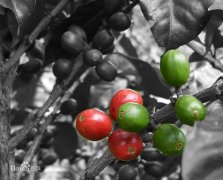
Guatemalan boutique coffee characteristics of Central and South America
Guatemala (Guatemala) aroma 3.5 minutes brightness 4.5 minutes mellow 3.5 minutes flavor 4.5 minutes aftertaste 4.5 points suitable for baking: Light/Medial/City shallow roasting, city degree can best show the characteristics of Guatemalan coffee, too deep will reduce the fruit flavor, if you like the smoky flavor, you can bake close to the second explosion, but still do not enter the second explosion as the principle. By

Where is the best coffee in South America? Colombian coffee beans at altitude determine the second place in the world.
Professional coffee knowledge exchange more coffee bean information please follow the coffee workshop (Wechat official account cafe_style) front street-Colombia Coffee introduction Colombia is the world's third largest coffee producer and exporter, it is located in northwestern South America, north by the Caribbean Sea, east by Venezuela, southeast by Brazil, south by Ecuador, northwest by Panama, this circle is full of coffee

Interpretation of the flavor characteristics of individual coffee beans from all over the world
Coffee trees grow in tropical or subtropical agricultural gardens centered around the equator and called coffee belts. In addition, growing coffee also requires daylight and proper shade, which is most suitable for planting on fertile soil or volcanic ash soil. Therefore, the origin of coffee is widely distributed in South America, Central America, the West Indies, Asia, Africa, Arabia, the South Pacific and Oceania. If not

Introduction to the price of the method of grinding degree treatment for the characteristics of Peruvian coffee flavor and taste varieties
In 1542, the Spanish royal family set up the Government House in Lima and established the Governor's District of Peru, which became the center of Spanish colonial rule in South America. At that time, Peruvian commerce was prosperous, merchants controlled most of South America's import and export trade, and the precious metals and other goods looted by the Spaniards from South America were shipped out of Peru. The colonists encroached on land in Peru, forced the Mita system, and forced the Indians to
The world's boutique coffee producing countries in South America
Brazil Brazil is the first coffee producer and marketer in the world. The annual output of coffee beans exceeds 30 million bags (60 kilograms each). Coffee experts do not think highly of their beans, saying that they are too monotonous, bitter, sour and fragrant enough, and are not even included in the list of producing areas of fine coffee. Because most of the Brazilian coffee gardens are less than 1200 meters above sea level, there are no big trees to shade, and they are picked.

Introduction to the Regional treatment method of Santa Rita Coffee Bean in Colombia
Columbia Santa Rita Coffee Bean Flavor characteristics Manor area treatment method for growing coffee also requires daylight and proper shade, which is most suitable for planting on fertile soil or volcanic ash soil. Therefore, the origin of coffee is widely distributed in South America, Central America, the West Indies, Asia, Africa, Arabia, the South Pacific and Oceania. Such as Ethiopia and Tanzania in Africa

Introduction to the mild taste of high-quality coffee beans in Peruvian coffee producing areas
In 1542, the Spanish royal family set up the Government House in Lima and established the Governor's District of Peru, which became the center of Spanish colonial rule in South America. At that time, Peruvian commerce was prosperous, merchants controlled most of South America's import and export trade, and the precious metals and other goods looted by the Spaniards from South America were shipped out of Peru. The colonists encroached on land in Peru, forced the Mita system, and forced the Indians to

Major coffee producing areas in South America | what are the best producing areas of Brazilian coffee? what are the flavor characteristics?
Professional coffee knowledge exchange more coffee bean information please follow the coffee workshop (Wechat official account cafe_style) front street-South American coffee producing area brief introduction to Brazil Coffee producing area Brazil Cerrado in Brazil as early as 30 years ago, in fact, this area is not known to the world; it used to be a desolate mountain, quietly located in Brazil, so happy